

Becoming a Heating and Gas Engineer
If you're seeking a job that will provide you with real value and a fulfilling feeling of accomplishment You might think about becoming an engineer in heating. No matter if you choose to become an employee or start your own business it is a profession which can give you real job security.
A gas engineer can repair and maintain gas appliances, conduct routine gas inspections, and help troubleshoot problems. Gas Safe-registered engineers are the only ones you need to collaborate with.
Qualifications
Heating and gas engineers is a skilled tradesman who is involved in the maintenance of domestic plumbing and heating systems, including boilers, gas cookers, wall heaters hot water cylinders, and central heating. Their responsibilities are to inspect, diagnose and repair problems with these appliances. They also install new equipment and conduct safety checks. Some people mistake it for plumbers. However there are some distinctions in their work.
The qualifications needed to become a gas heating engineer include a qualification in the field of industry and certification from Gas Safe Register. You can earn this certification by completing a training course in heating and plumbing which is often offered by universities, colleges and trade schools. Some courses are geared towards specific appliances such as gas cookers or heating systems, while others are more general in their subject matter. The content of the course will be based on the kind of work you'd like do as a gas engineer.
After you have earned your qualifications, you can either apply for a job with an employer or start your own business. Both options provide you with plenty of flexibility and variety. You will meet many new people and visit different places each day. You will also need to have excellent communication and customer service abilities. gas safe registered engineer will be working with customers closely, so you must be comfortable discussing issues and recommending solutions.
Plumbers are experts in pipework. They are able to handle a variety of domestic plumbing systems like toilets and water supply pipes as well as heating ducts and sewage systems. Traditionally, plumbers worked on lead pipes, but they are now replaced by plastic and copper pipes. Plumbers are employed in offices, homes, and public buildings. They are able to repair and replace pipes, fixtures and fittings as well as can assist in the installation of new bathroom suites and kitchens.
Some plumbers are also qualified to be a gas engineer. gas safe heating engineer can use all kinds of gas appliances, including boilers and are required to be registered at Gas Safe. They can work on gas fireplaces cookers, meters, cookers and even other heating appliances that are not powered by gas.
Experience
Anyone who has completed the training required for this job will have the ability to repair and install different types of gas appliances. They also know the safety guidelines to follow when working with gas. These are crucial to ensure that equipment is safe and operates correctly, as well as that appliances conform to all laws.
Therefore an experienced heating and gas engineer will be highly sought-after in the market for jobs. If they decide to work on their own or join a well-established firm their earnings will increase substantially as they gain experience. This is a great career option for those who enjoy working with their hands and seeing the direct results of their hard work.
In certain instances an heating and gas engineer might be required to perform tasks that are traditionally associated with plumbers. This includes fixing leaks and cylinder issues. Many people mistakenly believe that heating engineers and plumbers are the same, however, this is not the case. While some plumbers are capable of doing gas work, it's not legal for them to carry out this task without the proper qualifications and certification.
An engineer in the field of heating and gas will need to possess excellent customer service skills to communicate with customers and understand their requirements. They should also be organized in order to keep track of their work and make sure that they have the right tools for the job. This is especially important as many gas engineers work on their own and need to be able to manage their time effectively.
Another key skill that an engineer in heating and gas will need is mechanical skills. gas registered engineer is because they will need to be able to inspect and test equipment to identify problems and make repairs. They will also need to be able to read technical manuals and sophisticated diagnostic equipment.
A heating and gas engineer will require an unwavering work ethic to complete their duties efficiently. They should be able to be under pressure, work on difficult problems and remain calm in stressful situations. They should also be able to adapt to different situations and environments.
Reputation
Reputation is an influential social construct that affects human behavior and organizational performance in competitive environments. It also affects supra-individual bodies like organizations, communities, and even nations and civilizations. Its connections with other constructs like cognition, legitimacy, sociopolitical legitimacy and status are complex and require to be empirically tested and validated.
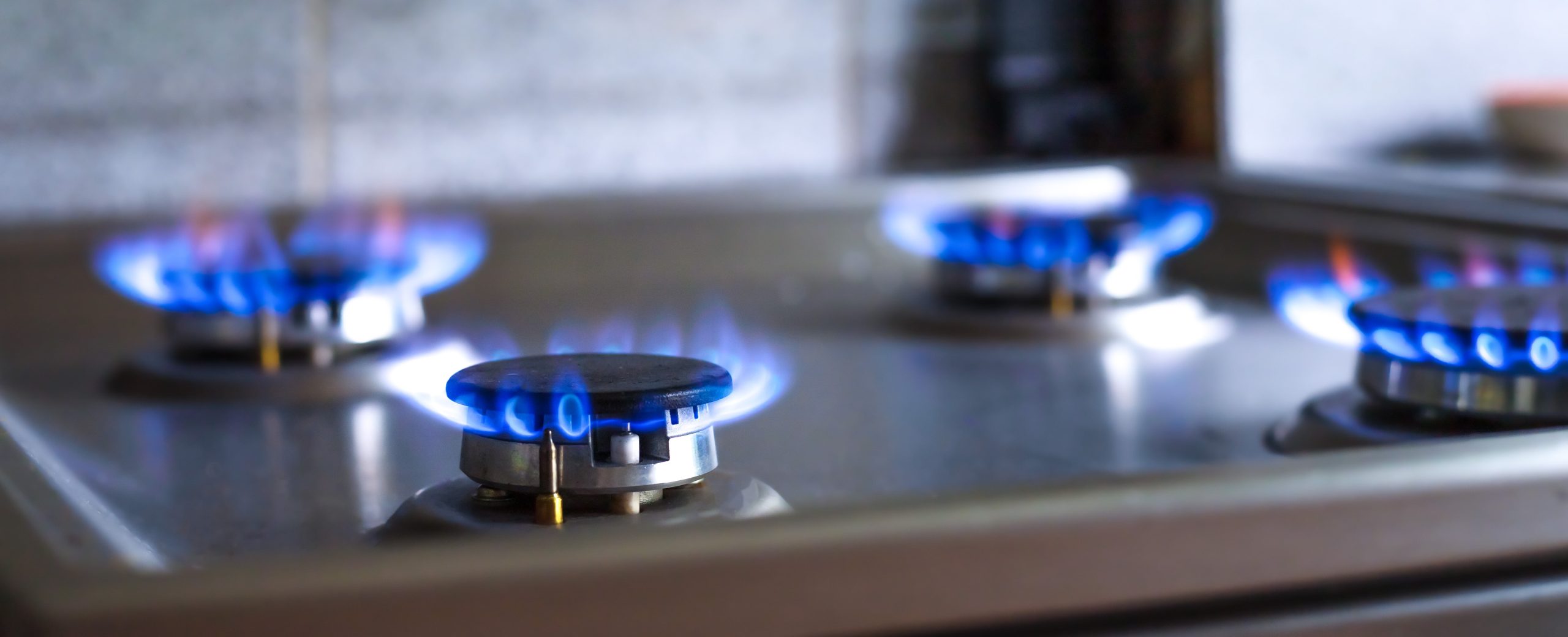
If your radiators or boiler are making noises that make you gurg, it isn't always easy to figure out whom to contact. It is crucial to know the distinction between gas engineers and plumber, even though they may appear to be interchangeable at first. While some plumbers might be capable of fixing some heating issues, they are unable to perform gas-related work without being Gas Safe registered. Gas Safe engineers are the only ones who can handle gas-related issues.
Safety
Gas engineers are employed in a variety locations, including homes and businesses. They are responsible for installing, servicing and repair of gas appliances, such as boilers or fires, as well as meters. They also deal with gas pipes. It is important that a heating and Gas Engineer is taking every precaution to be safe while at work. This includes regularly attending health and safety classes that are specific to their duties.
A degree in plumbing or heating and Gas Engineering may be beneficial, but it is the practical knowledge and experience that make a great heating engineer. They should be able to recognize and resolve problems quickly and safely. They should also be able to work with customers to offer advice and suggestions.
All tradespeople, no matter their industry must wear the proper personal protective equipment (PPE). Gloves are recommended to protect against burns, cuts, and abrasions. They should also wear eye protection, such as goggles or glasses to prevent flying debris from causing injury to the eyes.
A hard hat is another piece of PPE that is essential for gas engineers. It provides protection from fall and bumps. Gas engineers should inspect their hats on a regular basis to ensure they are in good shape.
A heating and gas engineer must also wear an air purifier to eliminate harmful fumes and gases. They are often found in older buildings and may cause asthma and respiratory ailments when they are not properly ventilated. Lastly, they should always conduct a risk assessment before beginning any work. The results should be kept on file, and be reviewed on a regular basis.
It is also crucial that a Heating and Gas Engineer is up-to-date with the latest Health and Safety regulations. This is particularly true in the case of being a member of a group that offers training courses for new employees.
Verify the Gas Safe registration of any tradesperson prior to hiring them for repairs or installations. This is the official list of professionals who are competent and authorized to work on gas appliances. You can request a copy of their Gas Safe card. It should contain an image, registration number and an explanation of the work they are licensed to do.